When exporting goods, many challenges can arise some visible, others hidden. One of the invisible threats is pests. For exporters in Pakistan and worldwide, fumigation is not just an option it’s a legal requirement.
As global environmental and trade regulations tighten in 2026, ensuring your exported goods meet international standards is critical. This guide explains why certified container fumigation is essential and how professional quarantine fumigation services protect your business.
Why Export Fumigation Services Are Non Negotiable
Shipping goods internationally means you’re not just moving products you could unintentionally transport pests. These pests can damage ecosystems and cause significant problems. Most countries require proof that exported goods are pest-free.
If your products whether food items or manufactured goods don’t come with a certified fumigation certificate, you risk:
- Extra customs fees
- Rejection of goods at the destination
- Potential destruction of shipments
Certified fumigation ensures compliance with import regulations and safeguards your reputation.
ISPM-15: The Standard for Pallet Fumigation
A key regulation in export fumigation is ISPM-15. This standard requires that all wooden packaging be treated to eliminate pests. Without the ISPM-15 stamp, customs officials may flag your shipment, delaying or even blocking it.
Types of Fumigation Based on Goods
Different products require different fumigation methods. A professional fumigation company tailors treatments based on the type of goods being exported.
1. Fumigation for Rice Exports
Pakistan is a major exporter of rice. Fumigation for rice uses special gases that penetrate deep into bags, eliminating pests and ensuring food safety upon arrival.
2. Fumigation for Textile Exports
In the clothing and fabric industry, fumigation prevents pests from damaging fibers. Environmentally safe methods are used to ensure there are no odors or stains, preserving the “Made in Pakistan” quality.
Fumigation for Cargo and Shipping Containers
Pests often hide in shipping containers. Effective fumigation requires targeting both the goods and the container:
- Cargo fumigation: Focuses on shipped items like furniture or machinery.
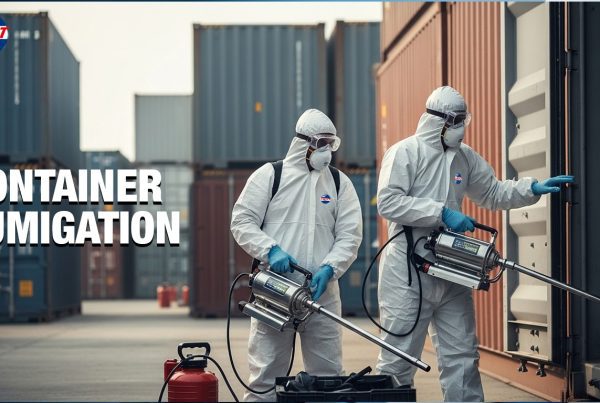
- Container fumigation: Ensures no pests hide in floors, seals, or corners.
- Comprehensive pest control: Combines cleaning with gases that reach deep into goods and containers.
Fumigation Beyond Exports
Fumigation isn’t just for exporters. Protecting your homes, offices, and warehouses is equally important:
- Commercial fumigation: Safeguards goods in factories and warehouses.
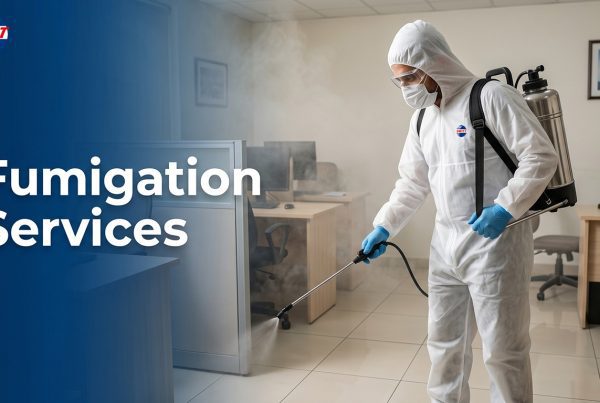
- Office fumigation: Keeps workplaces pest-free, protecting equipment.
- Home fumigation: Prevents termite damage and other infestations.
Choosing the Right Fumigation Services
Not all fumigation companies meet international standards. Partner with a government-approved, certified fumigation company that handles chemicals safely and provides proper documentation.
Certified companies offer more than just fumigation—they help plan schedules and ensure compliance with all rules.
Fumigation Schedule Checklist
A professional fumigation process follows these steps:
- Inspection: Evaluate the type and quantity of goods.
- Sealing: Ensure containers or warehouses are airtight.
- Dosing: Apply the correct amount of fumigation agent.
- Exposure: Allow gases to act for the required time.
- Aeration: Safely remove the gases.
- Certification: Provide documents for customs clearance.
The Future of Fumigation
In 2026, environmentally friendly fumigation methods are gaining traction. Techniques like heat treatment or air-based fumigation reduce environmental impact while still meeting export regulations.
Partner with Experts
Exporting can be complex, and fumigation is a critical part of the process. Swift Facility Management Services ensures homes, offices, warehouses, and export containers are pest-free and compliant with regulations.
Don’t let pests halt your business growth. Protect your shipments with certified fumigation services today.